Dr. David Lee Fish, Ph.D.
Quick Answer
Every four years, the world watches as U.S. presidential candidates step behind podiums, lock eyes with millions of Americans, and try to deliver the performance of a lifetime. But beneath the polished smiles and pointed rhetoric, something more human is often at play—speech fright, also known as performance anxiety or glossophobia. Let's take a look at speech fright in presidential debates, something this is rarely talked about openly.
As we'll see, it can shape tone, body language, delivery, and even the perception of a candidate’s competence. And in high-stakes matchups, including potential face-offs like Donald Trump versus Kamala Harris, its influence may be greater than we realize.
What Is Speech Fright, Really?
Speech fright isn't just “being nervous.” It’s a fight-or-flight response activated by the fear of being judged. Your heart races, your throat tightens, your mind blanks. For most people, it happens in a classroom or a boardroom. For candidates, it happens in front of 80 million viewers.
Interestingly, speech fright affects how people say things more than what they say. It may lead to stiff gestures, rushed or garbled words, forced smiles, or defensive postures—all of which audiences can subconsciously detect.
Even the most experienced politicians aren't immune. They’re not robots. They’re human. And the stress of live TV, unpredictable opponents, and historical consequences can cause even seasoned debaters to falter.
How Debates Amplify the Pressure
Debates are not just about policy—they’re theater. Candidates must juggle message discipline, emotional control, body language, and quick thinking, all under intense scrutiny.
What makes this uniquely challenging?
- The audience is massive and unforgiving—not just in the room, but across cable news, YouTube, TikTok, and Twitter.
- Mistakes are immortalized. One verbal slip or awkward moment can become a meme or a late-night punchline.
- Opponents are trained to provoke. They’re trying to throw you off your game, not play nice.
- You’re judged on feeling, not facts. Voters often decide based on impressions of confidence and authenticity more than policy knowledge.
When the stakes are this high, even candidates who seem confident might be masking significant internal anxiety.
Recent Posts
Trump, Harris, and Speech Fright in Presidential Debates
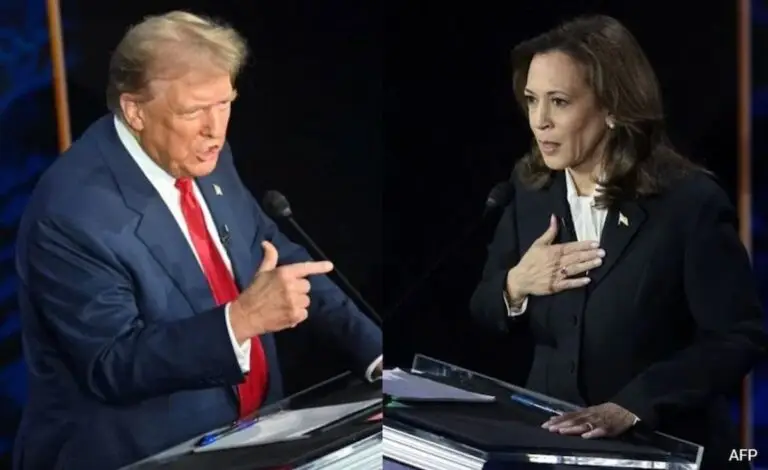
Let’s examine two political figures whose styles couldn’t be more different—Donald Trump and Kamala Harris—and how speech fright could influence their debate presence in very different ways.
Donald Trump is known for his aggressive, improvisational style. He interrupts, improvises, and often avoids conventional debate structure. This might seem like supreme confidence, but some experts argue that such tactics could also be defensive maneuvers—a way to regain control when nerves creep in.
His unpredictability may serve as both a strategic edge and a way to mask speech fright. By keeping the conversation off-balance, he avoids having to deliver carefully structured arguments under pressure.
Kamala Harris, by contrast, tends to prepare rigorously. Her background as a prosecutor gives her a command of language, but it also creates a higher bar. Audiences may expect polish and clarity—and penalize small hesitations more harshly.
In previous debates, she’s shown flashes of brilliance but also moments of tightness, where anxiety may have limited spontaneity. Like many skilled public speakers, she must navigate the paradox: being both poised and relatable, commanding but authentic.
Both styles may reflect not just personality but different coping strategies with the same core challenge: how to manage fear under extreme scrutiny.
Historical Echoes of Speech Fright in Presidential Debates
The role of speech fright in presidential debates isn't new. Consider these iconic moments:
- Richard Nixon vs. John F. Kennedy (1960): Nixon, recovering from illness and visibly sweating, looked uncomfortable compared to the cool and confident Kennedy. Radio listeners thought Nixon won. TV viewers overwhelmingly chose Kennedy. Visual cues mattered.
- George H.W. Bush checking his watch (1992): A tiny gesture, likely driven by anxiety or impatience, was interpreted as boredom or disengagement.
- Barack Obama vs. Mitt Romney (2012, first debate): Obama’s low-energy performance surprised many. Later, he admitted that nerves and overpreparation threw him off.
These moments show that it’s not just what you say—it’s how you say it under pressure. And speech fright can whisper louder than words.
Why It Matters to Voters
You might wonder: does speech fright really matter in how we choose a leader?
The answer is yes—and no.
Speech fright doesn’t indicate weakness. But in a culture that equates fluency with competence, even minor signs of nervousness can undermine trust. That’s why some candidates train for months with media coaches, debate simulators, and even mindfulness experts.
Yet voters often say they want someone “authentic.” Ironically, authenticity often shines through best when a speaker feels grounded and confident—something speech fright makes harder to achieve.
So while debates may not reveal who’s the smartest or most experienced, they often show who performs under pressure.
FAQ
1. Can seasoned politicians still experience speech fright?
Yes. Even experienced speakers can face anxiety, especially in high-stakes televised debates.
2. How does speech fright affect body language?
It can lead to stiff posture, excessive blinking, awkward gestures, or rushed speech.
3. What techniques do candidates use to manage speech fright?
4. Why do viewers react strongly to signs of nervousness?

Formal presentations, online meetings, live Q&As, social events, and any other time you speak in front of others. Engage the room with greater ease and authenticity.
Editions